
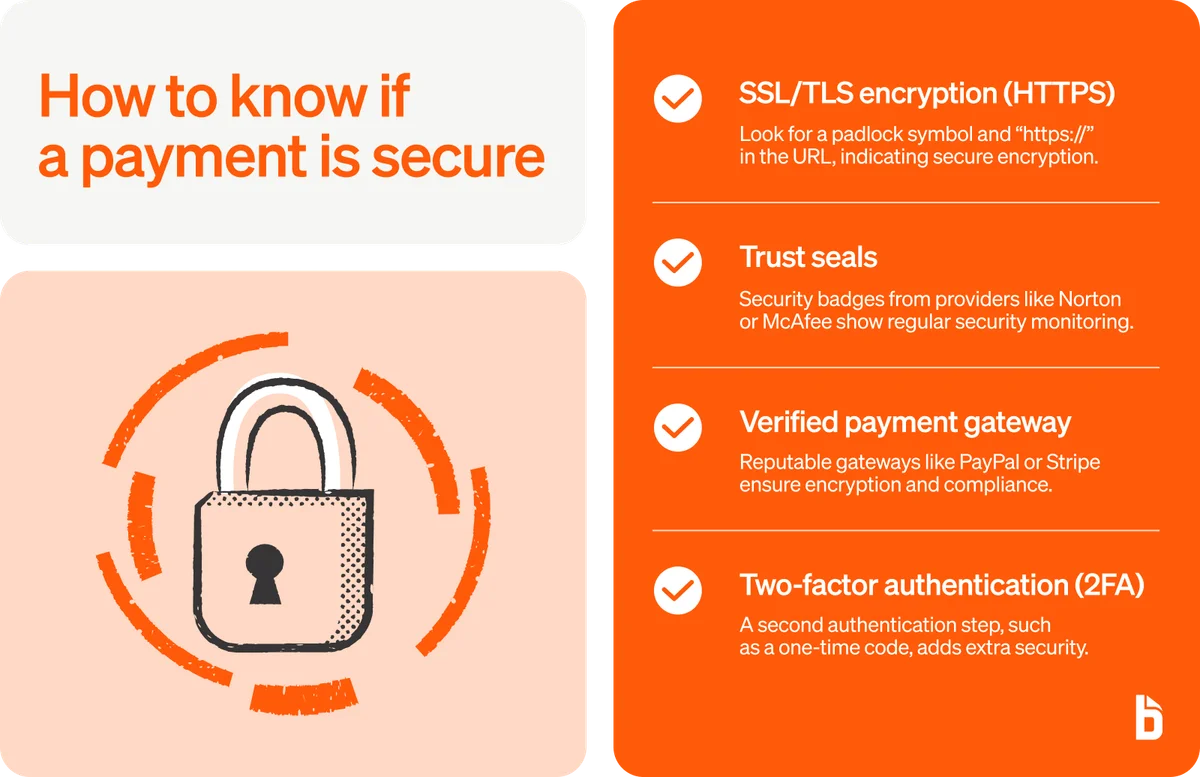
In the contemporary digital entertainment ecosystem, the security of financial transactions is just as crucial as the fairness of the games themselves. When players deposit or withdraw hard-earned money, they rely on a complex network of web encryption protocols, tokenized payment gateways, and banking security safeguards.
To ensure total player safety, licensed gaming platforms operating in the Philippines combine high-grade cryptographic technologies with direct integrations into verified domestic payment networks. Regulated by PAGCOR within the statutory parameters of Presidential Decree 1869, Republic Act 9287, and Republic Act 9160 (Anti-Money Laundering Act), licensed operators must protect user balances and personal financial data at all times.
This comprehensive technical guide explains the multi-layered security architecture protecting your deposits, details the cryptographic mechanisms behind modern SSL/TLS encryption, explains financial tokenization, and outlines best practices for securing your mobile e-wallets.
Multi-Layered Financial Defense Architecture
Modern online gaming platforms employ defense-in-depth architecture. Security is never left to a single firewall; instead, transactions must pass through multiple independent protective rings before being processed.
| Multi-Layer Financial Security Stack |
|---|
v
[Layer 1: Network & Browser Transport]
- TLS 1.3 cryptographic handshake
- 256-bit AES encryption with SHA-384 hashing
- Extended Validation (EV) digital certificates
v
[Layer 2: Edge & Application Defense]
- Cloudflare enterprise web application firewall (WAF)
- Automated DDoS mitigation & bot filtration
- Tokenized session management
v
[Layer 3: Payment Gateway & Tokenization]
- Direct API integration with GCash & Maya
- PCI-DSS Level 1 certified data vaulting
- Zero storage of plain-text financial credentials
v
[Layer 4: Bank-Grade Account Solvency]
- 100% segregated player trust accounts
- Continuous AMLA transaction screening (RA 9160)
- Real-time automated ledger reconciliation
Technical Foundations of SSL/TLS Encryption
Whenever you navigate to a gaming portal, your web browser or mobile application establishes an encrypted digital tunnel to the platform's central servers. This protection is powered by Transport Layer Security (TLS 1.3), the current global benchmark in network cryptography.
The Cryptographic Handshake
Before any sensitive personal data or financial instructions are transmitted, the client device and the server perform an automated TLS handshake:
1. Client Hello: Your browser contacts the server, presenting its supported cryptographic cipher suites and TLS version.
2. Server Response and Digital Certificate: The server responds by presenting its public cryptographic certificate, authenticated by a trusted global Certificate Authority (such as DigiCert, Cloudflare, or Let's Encrypt).
3. Key Exchange (Elliptic Curve Diffie-Hellman): Rather than transmitting secret encryption keys across the open internet, the two systems compute a unique, temporary shared session key using complex mathematical equations based on elliptic curve geometry.
4. Symmetric Session Encryption: Once the handshake concludes, all subsequent communication—including login passwords, personal identification numbers, and payment commands—is encrypted using 256-bit Advanced Encryption Standard (AES-256-GCM).
Preventing Man-in-the-Middle (MitM) Attacks
Without robust TLS encryption, bad actors operating on shared wireless networks (such as public cafe or shopping mall Wi-Fi) could intercept unencrypted network packets, eavesdropping on usernames and passwords. With AES-256 encryption, intercepted data packets appear as indecipherable cryptographic noise. Decrypting a single AES-256 data packet through brute force would require billions of years of modern supercomputer processing.
Secure Payment Integration with Regulated E-Wallets
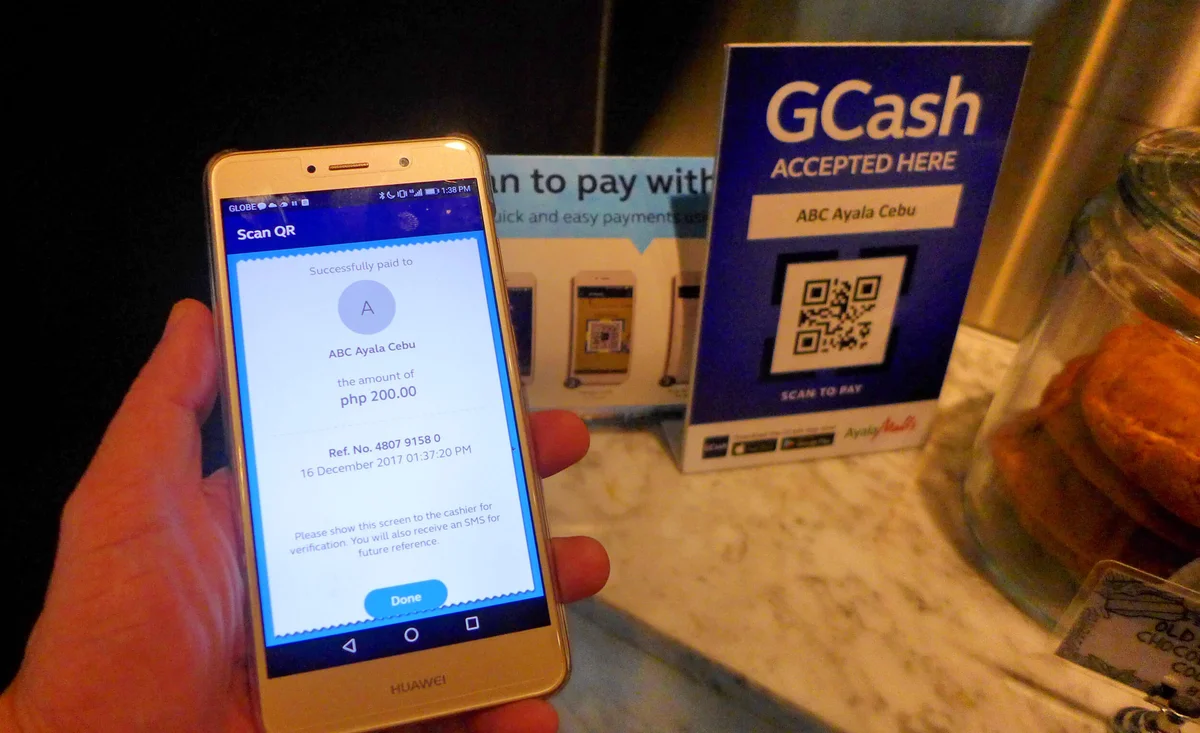
In the Philippine market, electronic mobile wallets represent the primary payment conduit for gaming consumers. Integrating these services safely requires specialized Application Programming Interfaces (APIs) that protect users from fraud.
> 🔄 Execution Workflow: [Player Mobile Device] ---> [Casino Checkout Interface]
+--------------------> [Licensed Payment Gateway]
v
[GCash / Maya Platform]
v
[Push Prompt / OTP Challenge]
v
[Bank Settlement Engine]
Direct API Connections with GCash and Maya
Rather than processing financial transactions on proprietary, unverified servers, licensed gaming operators connect directly to authorized payment gateways supporting GCash and Maya:
- No Third-Party Intermediaries: Transactions are routed across dedicated, encrypted enterprise channels established directly between the operator's backend and regulated Philippine financial entities.
- Out-of-Band Two-Factor Authentication (2FA): When you initiate a cash-in, the transaction requires authorization directly inside your mobile e-wallet interface through dynamic One-Time Passwords (OTP) sent to your mobile phone or biometric authorization (fingerprint or Face ID).
- Transaction Settlement Speed: Direct API links ensure that valid deposits credit instantly to your gaming balance, while withdrawals are transferred directly into your personal e-wallet account without manual delays.
The Concept of Payment Tokenization
One of the most vital security innovations in digital finance is tokenization. Many players wonder: Does the online casino store my e-wallet PIN, my bank account password, or my credit card number?
On regulated platforms, the answer is an absolute no.
| Financial Tokenization Flow |
|---|
v v
[Sensitive Financial Data] [Tokenized String]
- E-wallet account number - "tok_9f8a2b3c4d5e"
- Card CVV & expiry date - Useless if stolen
- Bank account details - Valid only for one merchant
v
[Stored in Bank-Grade Vault / Transacted]
How Tokenization Protects Your Funds
- Replacing Sensitive Numbers: When you enter a payment method, the data is transmitted directly to a PCI-DSS Level 1 certified payment processor. The processor swaps the sensitive credential for an arbitrary alphanumeric string called a "token."
- Restricted Usability: This cryptographic token is only valid between the specific gaming operator and that specific payment processor. It cannot be used anywhere else on the internet.
- Zero Exposure in Data Breaches: Even in the unlikely event that a gaming platform's database were compromised, an attacker would discover only meaningless tokens, completely devoid of banking passwords, credit card numbers, or e-wallet MPINs.
Segregated Player Accounts and Solvency Guarantees
Financial security encompasses not only cybersecurity against hackers, but also the physical preservation and solvency of player funds within the banking system.
Under regulatory standards enforced by PAGCOR, licensed operators are legally required to maintain strict account segregation:
- Ring-Fenced Player Funds: All player deposits and active account balances are held in segregated trust accounts at tier-1 commercial banking institutions in the Philippines.
- Separation from Operational Capital: An operator is strictly prohibited from utilizing player balances to cover general corporate overhead, employee salaries, marketing budgets, or software licensing fees.
- Solvency Audits: Regulators conduct routine financial audits to verify that the operator's liquid bank reserves equal or exceed 100% of all player balances held across the platform, guaranteeing that cash-out requests can be honored immediately at all times.
Compliance with Data Privacy (RA 10173) and AMLA (RA 9160)
The handling of player financial data is governed by two key Philippine legislative statutes:
Republic Act 10173 (Data Privacy Act of 2012)
The Data Privacy Act mandates that personal financial information, transaction histories, and identification documents be processed under strict organizational, physical, and technical safeguards:
- All personal data must be stored in encrypted databases with role-based access restrictions.
- Operators must designate a certified Data Protection Officer (DPO) registered with the National Privacy Commission (NPC).
- Financial data may never be rented, sold, or distributed to third-party commercial marketing platforms.
Republic Act 9160 (Anti-Money Laundering Act)
As covered institutions under Republic Act 9160 and Republic Act 10927, gaming operators must monitor transactions to prevent illicit financial activities:
- Identity Matching: To prevent stolen accounts, the legal name on the player's gaming profile must match the registered name on their GCash or Maya wallet.
- Audit Trails: Detailed transactional logs are securely retained for five years in compliance with statutory requirements, ensuring full transparency in financial accounting.
Best Practices for Player Device and Account Security
While platform architecture provides robust defense, personal cybersecurity hygiene on your mobile device is essential for complete protection.
Follow these proven security steps:
- Never Share Your One-Time Password (OTP): Platform customer support representatives, financial agents, and payment providers will never ask you for an SMS OTP, e-wallet MPIN, or account password. Anyone requesting these details is attempting fraud.
- Avoid Public Wi-Fi for Transactions: When initiating deposits or withdrawals, switch from public Wi-Fi networks to secure cellular data (4G/5G).
- Enable Biometric App Security: Configure your mobile banking apps and e-wallets to require fingerprint or Face ID authentication for every transfer.
- Set Up Transaction Limits: Take advantage of personal daily spending and transfer caps inside your GCash and Maya applications to keep gaming expenditures within your planned budget.
If you ever experience compulsive urges to exceed your planned financial limits, remember that gaming should always remain recreational. Resources and support for maintaining healthy gaming boundaries are freely available through Gamblers Anonymous and Gambling Therapy.
Frequently Asked Questions
How do I know if an online gaming website is using secure SSL/TLS encryption?
Look at the web address bar in your browser. A secure website will display `https://` at the start of the URL along with a closed padlock icon. Clicking the padlock allows you to inspect the valid digital security certificate issued by an accredited Certificate Authority.
Can an online casino see my GCash or Maya MPIN?
No. When depositing funds, the payment gateway directs you to the official e-wallet authorization page. You enter your MPIN or biometric confirmation directly within the protected banking interface. The casino never sees or stores your private security PIN.
What is PCI-DSS Level 1 compliance, and why does it matter?
Payment Card Industry Data Security Standard (PCI-DSS) Level 1 is the most stringent global security certification for organizations handling credit and debit card transactions. It mandates regular network vulnerability scans, strict physical server security, and advanced data encryption.
What happens to my balance if an online casino shuts down?
Under PAGCOR regulatory rules, licensed operators must hold player funds in segregated trust accounts separate from operational capital. In the event of business restructuring or platform closure, player funds remain protected and must be refunded to verified account holders.
Why do platforms require my payment account name to match my registered profile name?
Under Philippine Anti-Money Laundering legislation (Republic Act 9160), operators must ensure that deposits and cash-outs are conducted only by the verified account owner. This prevents identity theft, unauthorized card use, and illegal fund routing.
What should I do if I suspect an unauthorized transaction on my account?
Immediately contact your e-wallet provider (GCash or Maya) to freeze your payment account, then alert the casino's customer support desk to place a security hold on your gaming profile while an investigation is conducted.
Connected Resources and Platform Portals
- Filbet Main Gaming Portal
- Filbet Casino Onboarding and Account Creation Guide
- Complete GCash and Maya Cash-In Walkthrough
- Online Slot RTP Verification and Mathematics
- Live Dealer Studio Transparency and Auditing Standards
- Traditional Philippine Table Games and Fair Play Standards
- Responsible Gaming Tools and Support Resources
Official Member Access and Registration
To access real-money gaming tables, practice slot mechanics, or claim verified promotional credits, visit the official Filbet Portal on mobile or desktop.